
Celestron StarSense Explorer 114AZ Tabletop Dobsonian
Most people starting from zero: it sets up in a minute, needs no tripod, and the app finds the targets.
From £249.00
Check price on AmazonBest telescopes
There is no single best beginner telescope, only the best one for your sky, your space and your patience. These three cover almost everyone, and below them is the whole field from £79 to £599.
Most people starting from zero: it sets up in a minute, needs no tripod, and the app finds the targets.
From £249.00
Check price on Amazon
A first telescope for a flat with a balcony, or for someone who wants planets and the Moon without ever adjusting a mirror.
From £179.99
Check price on Amazon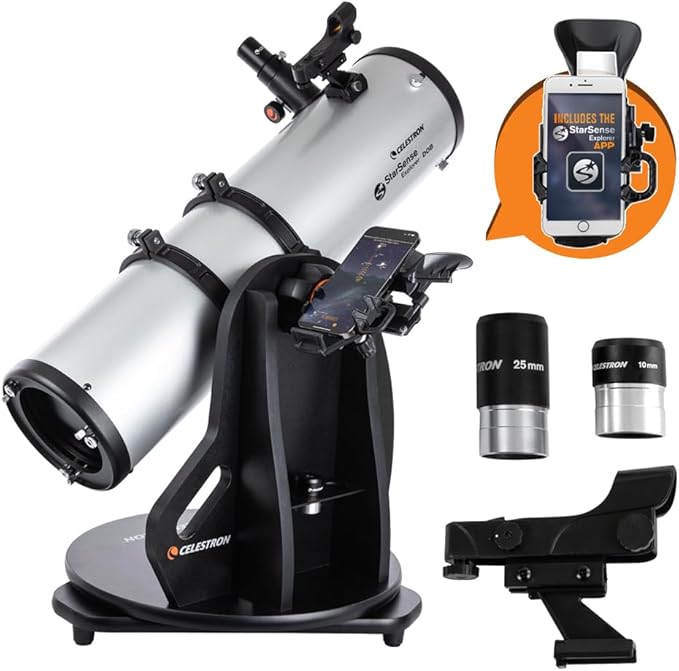
Someone who already knows they will stick with it and wants the most aperture that still fits in a cupboard.
From £399.00
Check price on Amazon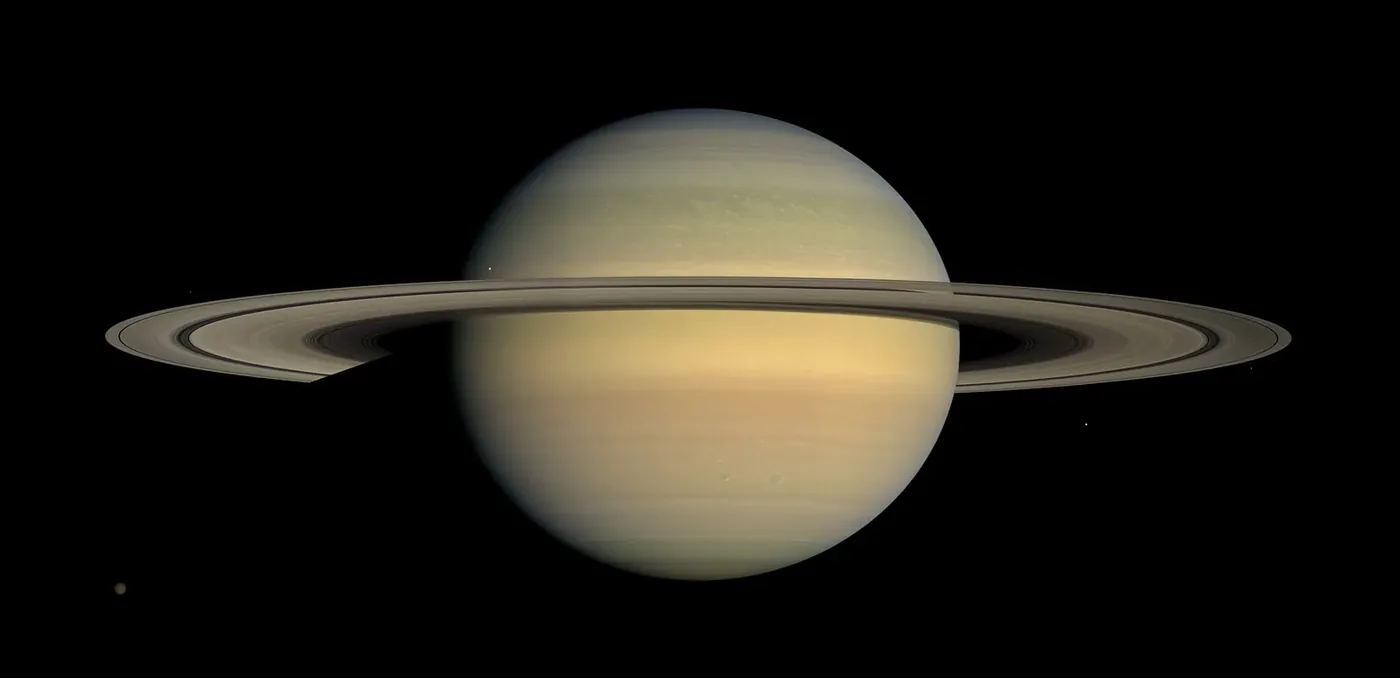
Nine telescopes from £79 to £599. Specifications are the manufacturer's; prices were read from Amazon on the date above.
| Telescope | Aperture | Focal length | Ratio | Mount | Price |
|---|---|---|---|---|---|
| Travel Scope 70 | 70 mm | 400 mm | f/5.7 | Alt-azimuth on a lightweight aluminium tripod | £78.99 |
| StarSense LT 70AZ | 70 mm | 700 mm | f/10 | Manual alt-azimuth with slow-motion rod | £149.99 |
| StarSense LT 80AZ | 80 mm | 800 mm | f/10 | Manual alt-azimuth with slow-motion rod | £179.99 |
| AstroMaster 130EQ | 130 mm | 650 mm | f/5 | German equatorial CG-3 with slow-motion controls | £199.99 |
| StarSense 114AZ Dob | 114 mm | 450 mm | f/4 | Tabletop Dobsonian, Teflon bearings | £249.00 |
| StarSense DX 130AZ | 130 mm | 650 mm | f/5 | Manual alt-azimuth with dual-axis slow motion | £329.99 |
| StarSense 150AZ Dob | 150 mm | 750 mm | f/5 | Tabletop Dobsonian, Teflon bearings | £399.00 |
| Explorer-150P | 150 mm | 750 mm | f/5 | Equatorial EQ3-2 with steel tripod | £469.00 |
| Skyliner 250PX | 254 mm | 1200 mm | f/4.7 | Floor-standing Dobsonian base | £599.00 |
Aperture is the diameter of the lens or mirror, and it decides how much light you collect. Going from 70 mm to 130 mm is not a small upgrade: it is roughly three and a half times the light, and the difference between a smudge and a shape.
Focal length divided by aperture gives the focal ratio. Short ratios (f/4, f/5) give wide fields and brighter images, which suits deep-sky objects. Long ratios (f/10, f/12.7) give more magnification per eyepiece, which suits the Moon and planets.
Mount decides whether the image is usable. A tabletop Dobsonian is the most stable thing you can put a small telescope on; a light aluminium tripod is the least.
A warning about magnification. Nothing here is sold on magnification, because magnification is just focal length divided by eyepiece. The useful limit is about twice the aperture in millimetres: 140x for 70 mm, 300x for 150 mm. Anything beyond that is an empty, blurry image.
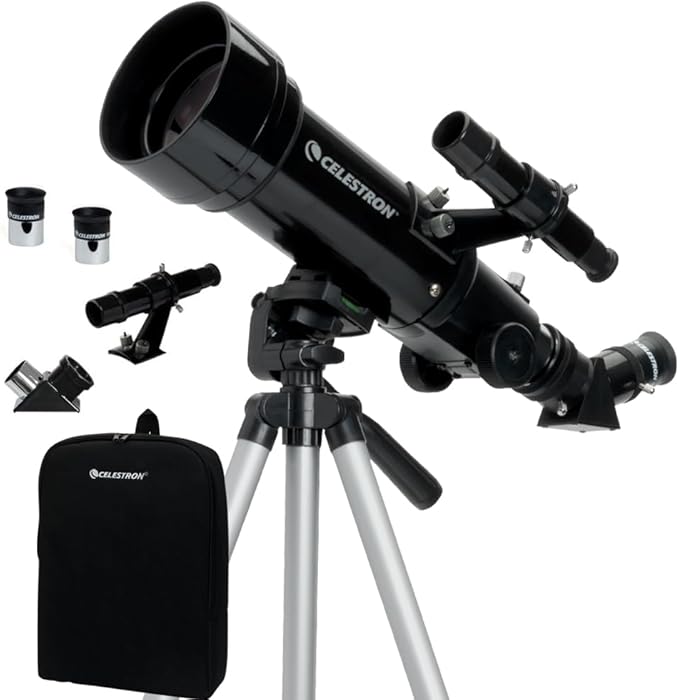
From £78.99
Verdict. The entry ticket. It shows the Moon properly and Jupiter's moons as dots, for less than most people spend on a first attempt they never repeat.

From £149.99
Verdict. The best answer for a beginner who gets lost. You will find Saturn on the first night instead of the fifth.
From £179.99
Verdict. If you want a telescope that never needs fiddling with and the app does the finding, this is the one. It is the refractor I would buy for a beginner.

From £199.99
Verdict. The most telescope per pound in this list, if you are willing to learn the mount. Half an hour of practice and it stops being intimidating.
From £249.00
Verdict. The telescope I would hand to a friend who has never looked through one. Steady, simple, and the app removes the hardest part of the hobby.

From £329.99
Verdict. A good telescope at a price that reflects the convenience. Buy it if standing at a tripod suits your garden better than sitting at a table.
From £399.00
Verdict. The step up that changes what is visible: this is where galaxies stop being smudges and start having shape.

From £469.00
Verdict. The right buy if you know you will want tracking. Otherwise a 150 mm tabletop Dobsonian does the same job for less money and less fuss.

From £599.00
Verdict. The serious instrument. If you have dark skies, a car and the patience to carry it out, nothing else here comes close.
Two things matter more than the model. First, where it will live: a telescope you can carry outside in one trip gets used, one that needs two trips does not. Second, your sky: from a lit street galaxies are invisible whatever you buy, while the Moon and planets are excellent.
Printable and interactive exercises on the planets, the Moon and the night sky. Self-checking, works offline.
Seven checks, in order of importance. If you only remember one: the mount matters as much as the optics, and it is the part that gets cheapened.
Three designs cover almost everything sold to beginners. The names sound technical; the trade-offs are simple, and one of them wins on value for most people.
Every object below is described as your eye sees it at the eyepiece, not as a camera records it. The size of the telescope changes how much detail appears, never the colour of a ph