Refractor, reflector or Dobsonian: what the difference actually is
Three designs cover almost everything sold to beginners. The names sound technical; the trade-offs are simple, and one of them wins on value for most people.
What you'll see
Every object below is described as your eye sees it at the eyepiece, not as a camera records it. The size of the telescope changes how much detail appears, never the colour of a photograph.
A telescope does not magnify an object so much as collect the light it sends. Aperture — the diameter of the lens or mirror — is what decides how faint an object you can see and how much detail survives at high magnification.
The numbers below assume a reasonably dark garden, a night with steady air, and thirty minutes for your eyes to adapt. In a city, halve the deep-sky results. On a night of poor "seeing", halve the planetary detail.
A 70 mm refractor, the size sold in most starter kits, gathers around 100 times the light of your dark-adapted eye.
A 70 mm telescope is a Moon-and-planets instrument. That is a real limitation, not a marketing one.
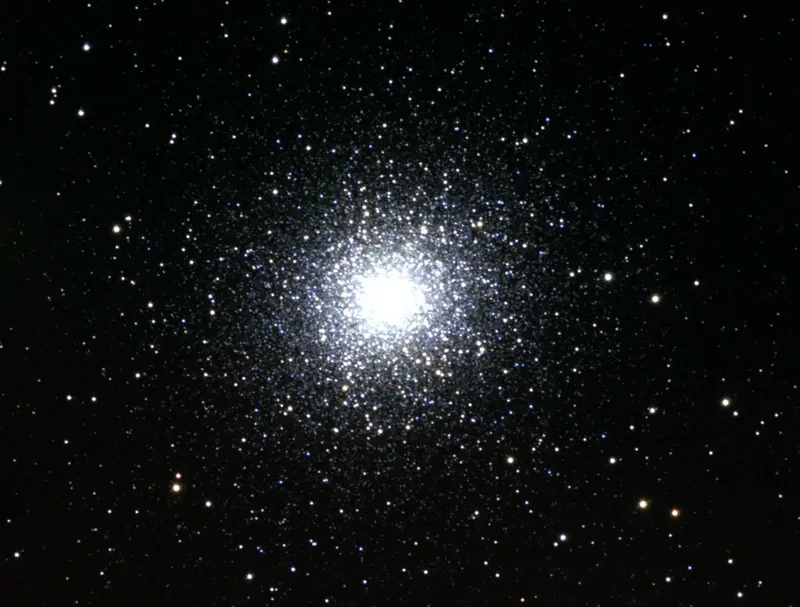
Same targets, more contrast. Lunar craters hold up at 150x instead of 100x, Jupiter's belts show structure, and the brighter globular clusters start to resolve into a granular patch rather than a fuzzy ball.
This is the sweet spot for someone who wants a telescope that lives by a window, needs no maintenance and shows the Moon beautifully.
A 130 mm reflector — usually a tabletop Dobsonian — is the first size where the sky opens up.
The extra light is not about magnification, it is about faintness. Dust lanes in galaxies, spiral structure in M51, the Veil Nebula with a filter, and hundreds of objects that are simply invisible in smaller instruments.
Planets gain less than you would expect — the atmosphere, not the mirror, is usually the limit — but the Moon at 250x on a still night is genuinely spectacular.
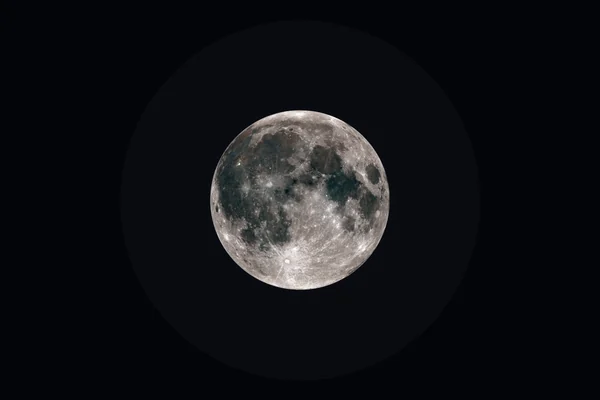
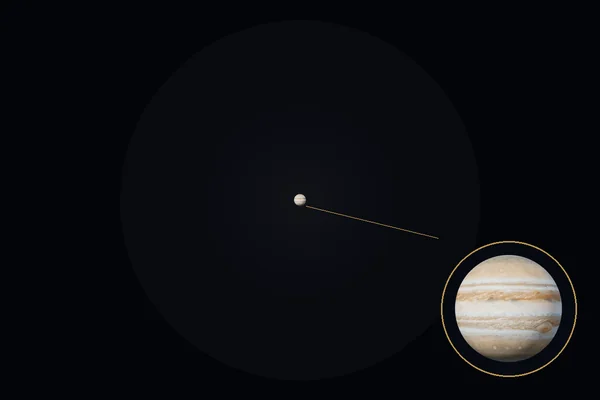
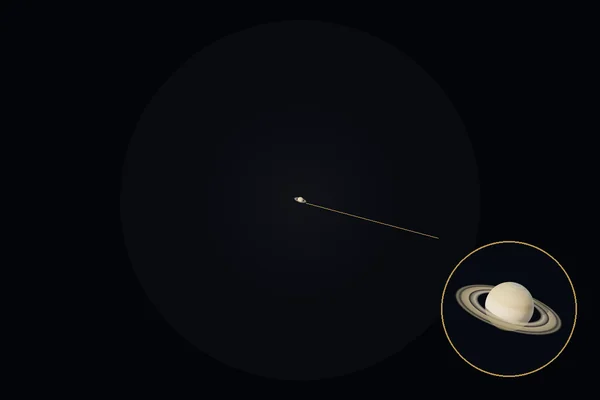
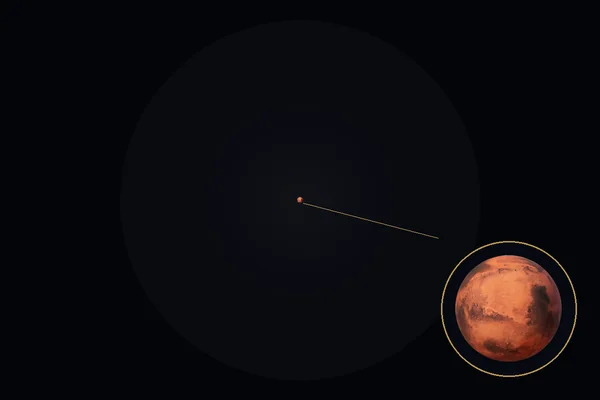
The circle is the field of view of a standard eyepiece and the object is drawn at the size it appears at the magnification in the caption. The Moon is the exception: at 50x it fills half the view and the craters along the terminator are obvious from the first night. Jupiter at 150x is about a thirtieth of the field across — small, sharp, and unmistakable once you find it.
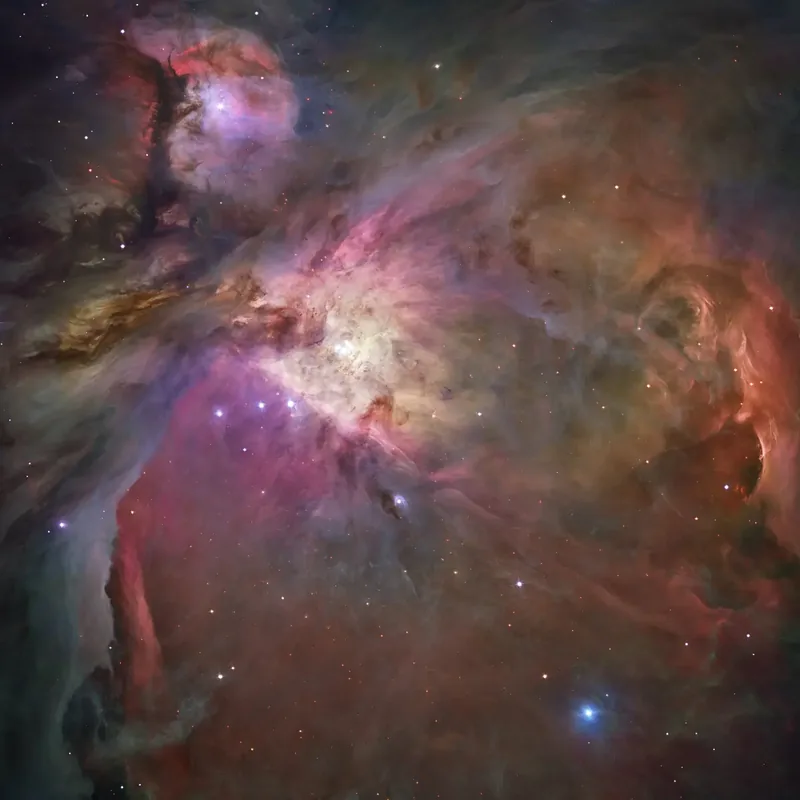
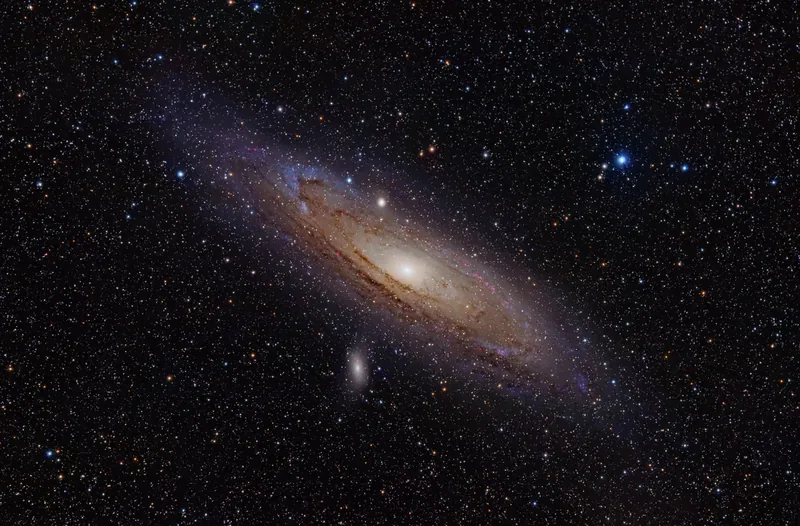
Everything below was taken by a space telescope, a probe or a large observatory camera. Nothing you can buy shows this, and no guide should let you think otherwise.
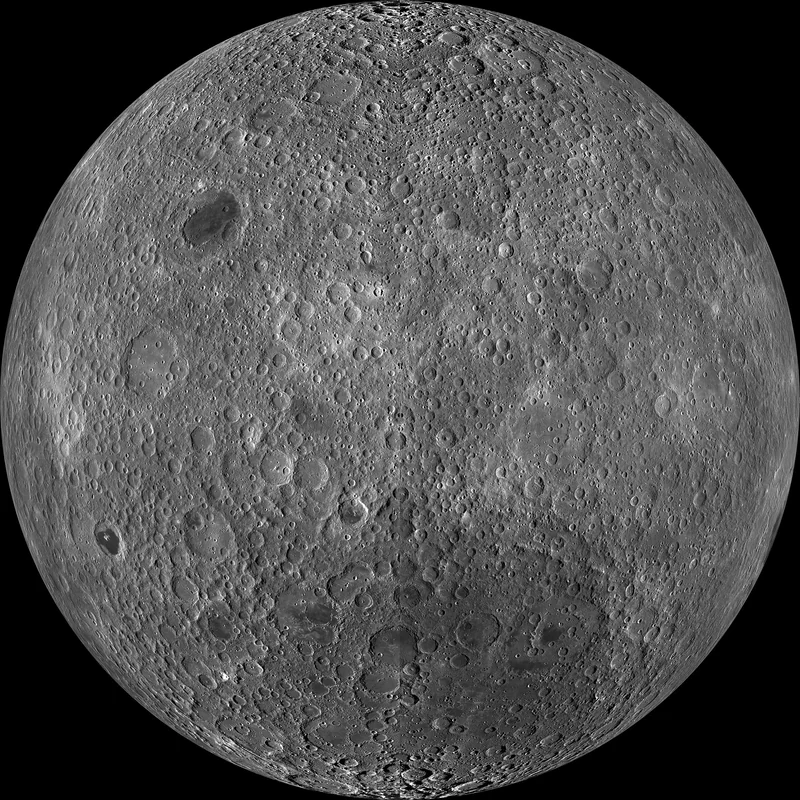
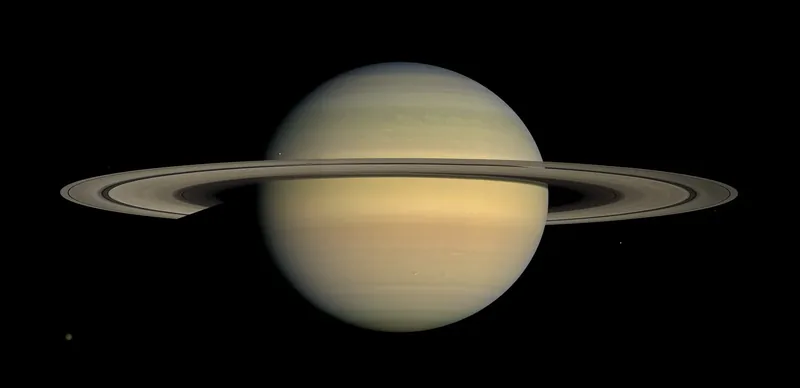
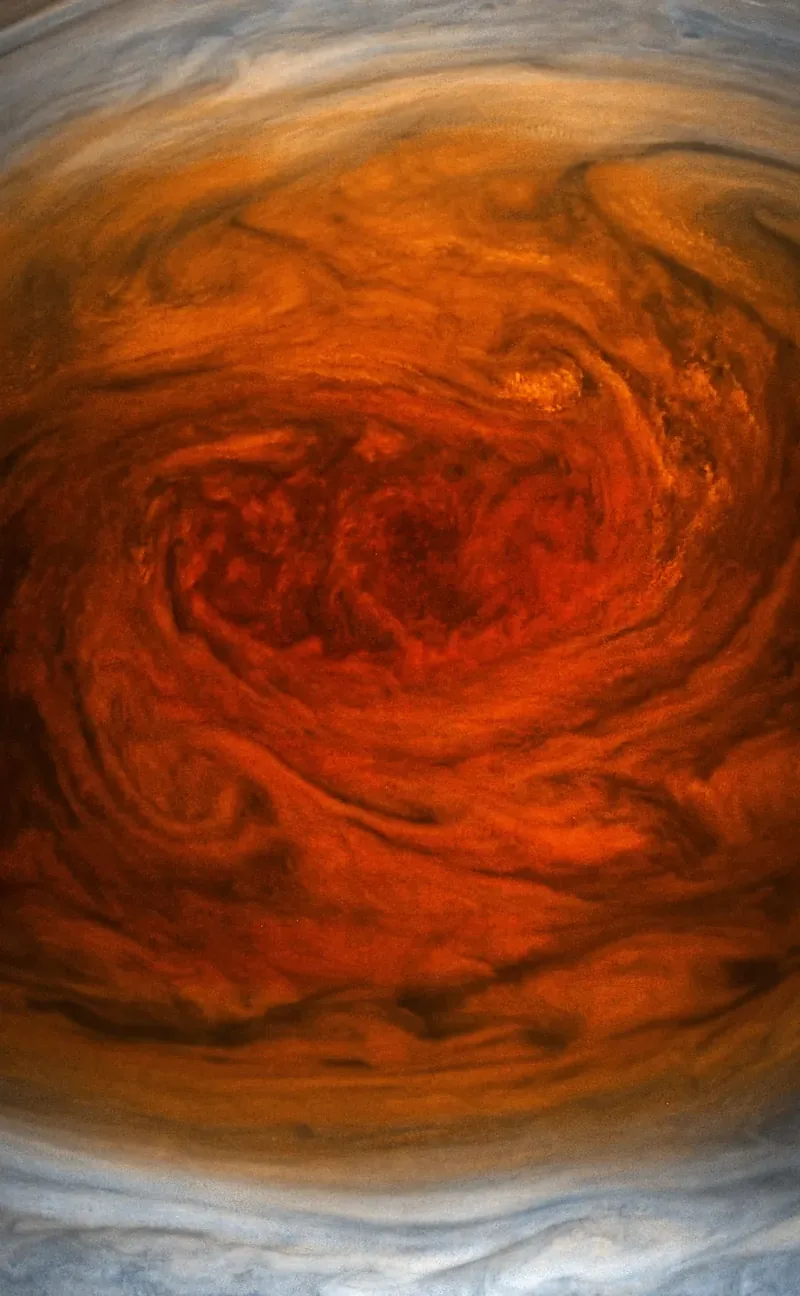
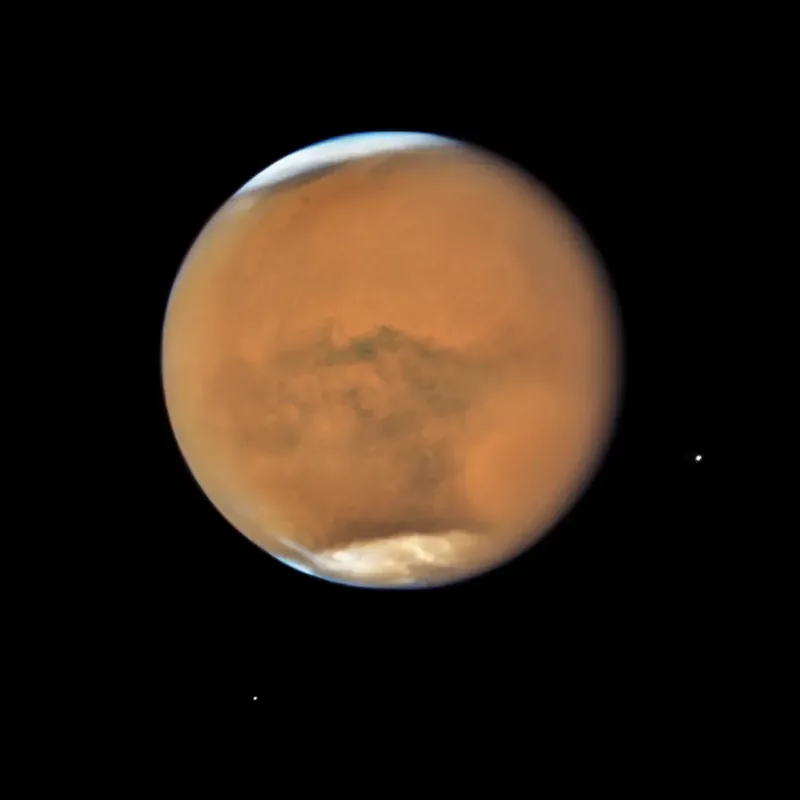
The Moon is the cleanest example. Its far side never faces Earth, so no telescope you can buy will ever show it to you — it took a spacecraft in lunar orbit to photograph it. What you see from your garden is the near side, and that one a beginner telescope shows very well.
These are the objects that sell telescopes and disappoint beginners. Through a 114 mm telescope the Orion Nebula is a grey-green wing and Andromeda is a faint oval. The photographs below are hours of exposure through professional instruments.
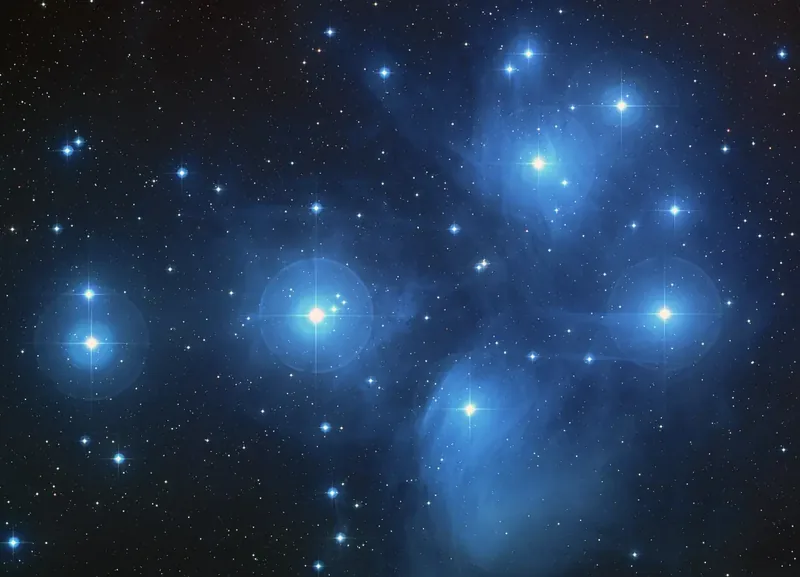
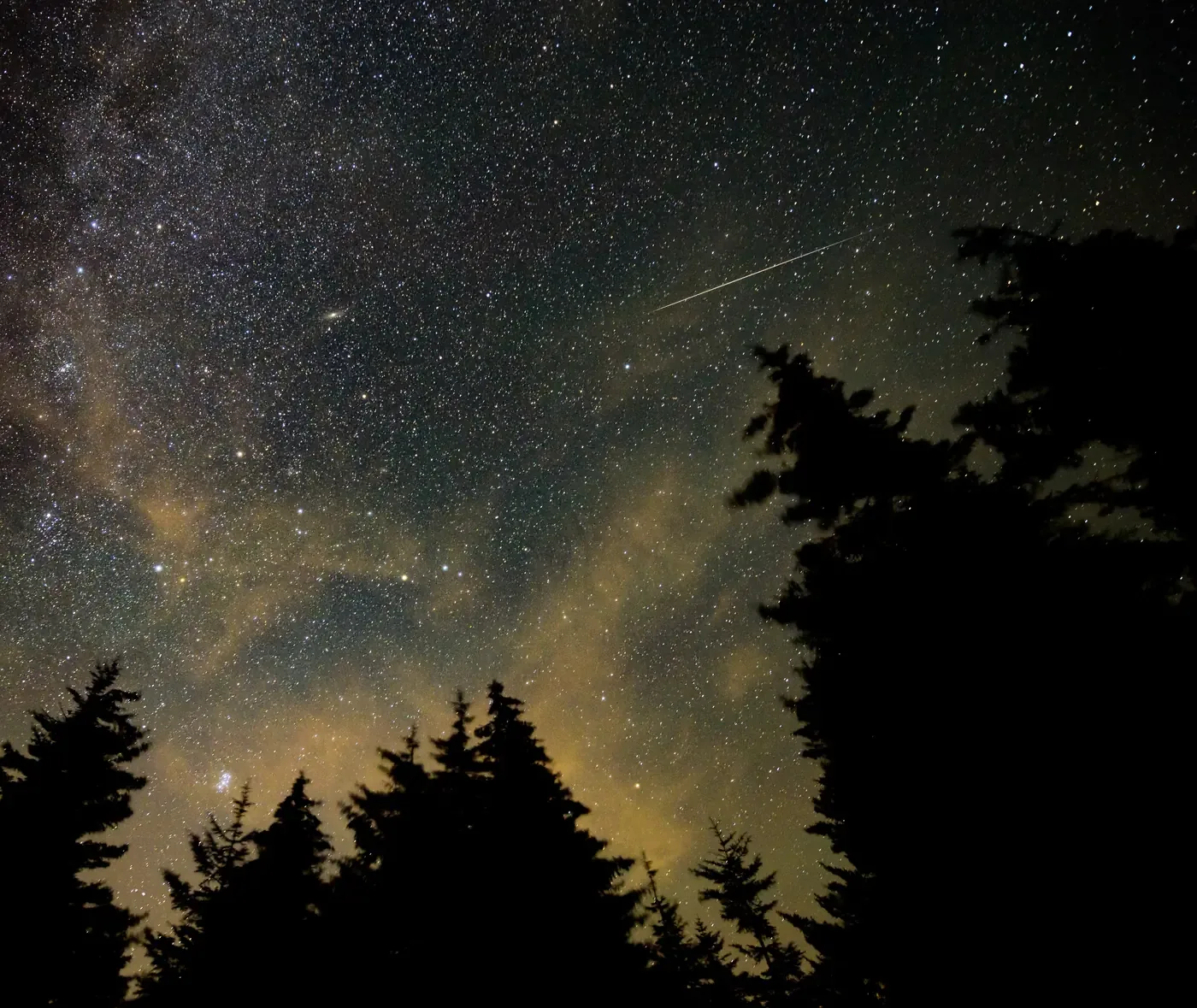
If your budget is small or you are not sure you will stick with it, 10×50 binoculars show the Moon's craters, Jupiter's moons, the Pleiades, the Andromeda galaxy and the Milky Way as a star cloud. They are also the best way to learn the constellations, because you see the sky with both eyes at once.
Many observers keep binoculars for life and use them more often than their telescope.
Reality check on photographs. The Hubble images you have seen are long exposures through professional instruments. What you will see is quieter: grey, small, and — the first time you find it yourself — much more satisfying.
Land on the Moon, watch Jupiter rotate, compare planet sizes. Free, in the browser, no account, no download.
Three designs cover almost everything sold to beginners. The names sound technical; the trade-offs are simple, and one of them wins on value for most people.
Seven checks, in order of importance. If you only remember one: the mount matters as much as the optics, and it is the part that gets cheapened.
There is no single best beginner telescope, only the best one for your sky, your space and your patience. These three cover almost everyone, and below them is the whole field from